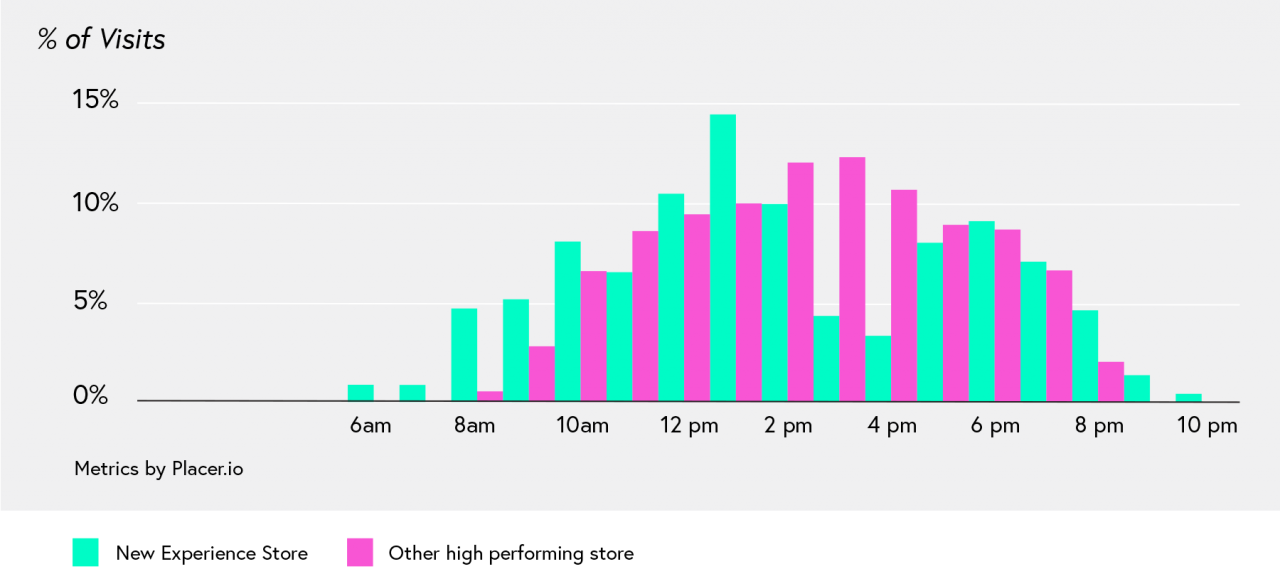
It’s an old-school retail strategy, nearly as old as the largest department stores. This is the venus fly trap of impulse purchases, based on the premise that the longer time you spend in the location, the more likely you are to buy something, and to be fair, there is plenty of research to support this conclusion.
Like any trend, it has had its ups and downs and reinventions, but the concept has recently regained traction, albeit with a few notable differences. Younger generations are driving a shift towards a new type of retail space that blurs the distinction between social hangout, job, and marketplace. The now-famous WeWork and other similar concepts have helped form this mindset, resulting in individuals no longer distinguishing between work and life, which means that a store is now seen as excellent a place as any to work, exercise, socialise, dine, or occasionally purchase.
At Clarity, our recent retail disruption report focuses on how retailers are adopting strategies to deal with increasingly difficult operating conditions, and the emergence of destination stores is something we are keenly monitoring. The in-store restaurant was often thought to be little more than an onsite amenity, frequently reserved for the largest chains, but this is changing as smaller businesses, single-location boutiques, and even banks understand the value of a strong F&B offering.
It can be tempting to try and do it all yourself and maintain complete control over the operation like the successful TOMS café stores. TOMS founder Blake Mycoskie originally conceived the cafe-stores as places that would be more than just a retail outlet, with the first one in Venice, California, near his home, offering laid back vibes, yoga, movie nights and craft evenings in addition to sales of shoes, eyeglasses and their own TOMS roasting co. coffee. By keeping close control over the hospitality experience, TOMS can always ensure their food offer properly reflects the brand and its values and the spin-off into cafes has also helped to uncover fresh global revenue streams and a new CSR mission through its coffee bean trade. However some of the more exciting examples of this store crossover come from brands that chose to partner instead of going it alone.
The Sweaty Betty store in Soho perfectly demonstrates the power of well-selected partnerships, delivering an engaging retail concept that incorporates a basement gym, Farm girl cafe and blow dry bar from Duck & Dry. The website description states: “Three floors of fashion, fitness, food and beauty. Shop the collection, let London’s best workout studios put you through your paces, enjoy the infamous avo toast at the Farm Girl café and then treat your hair to a blow-dry at Duck & Dry! You could spend a whole day at No. 1 Carnaby!” In theory the store could be used by someone who never buys a single item of clothing from Sweaty Betty, instead just visiting for yoga classes and a healthy breakfast after their workout. The likelihood of them completely resisting a purchase seems pretty slim though as their dwell time in store increases and they are constantly being exposed to yoga trainers wearing the latest Sweaty Betty must-have items. An interesting thing also starts to happen when you have multiple activities happening in the same place at the same time. A sense of community feeling starts to grow. The café becomes the glue that binds the experience together ensuring that people stay to chat over lunch or a coffee.. It creates more meaningful brand interactions without feeling too forced.
Lululemon in Chicago, a fellow lifestyle brand, is perhaps the best in class example of experience driven retail.